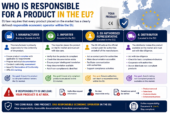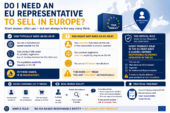
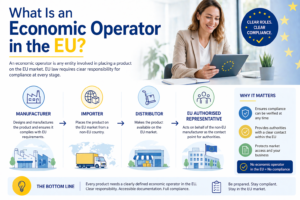
The term “economic operator” appears in almost every EU regulation related to product compliance. It is a central concept that defines how responsibility is structured across the entire supply chain. However, many companies misunderstand what it actually means and treat it as a generic or interchangeable label.
In reality, the term is legally precise. It determines who is accountable for compliance, who must provide documentation, and who authorities will contact in case of inspections or enforcement actions. It is not just a business role — it is the foundation of how EU law ensures that products on the market meet all regulatory requirements and can be verified at any time.
The Legal Definition
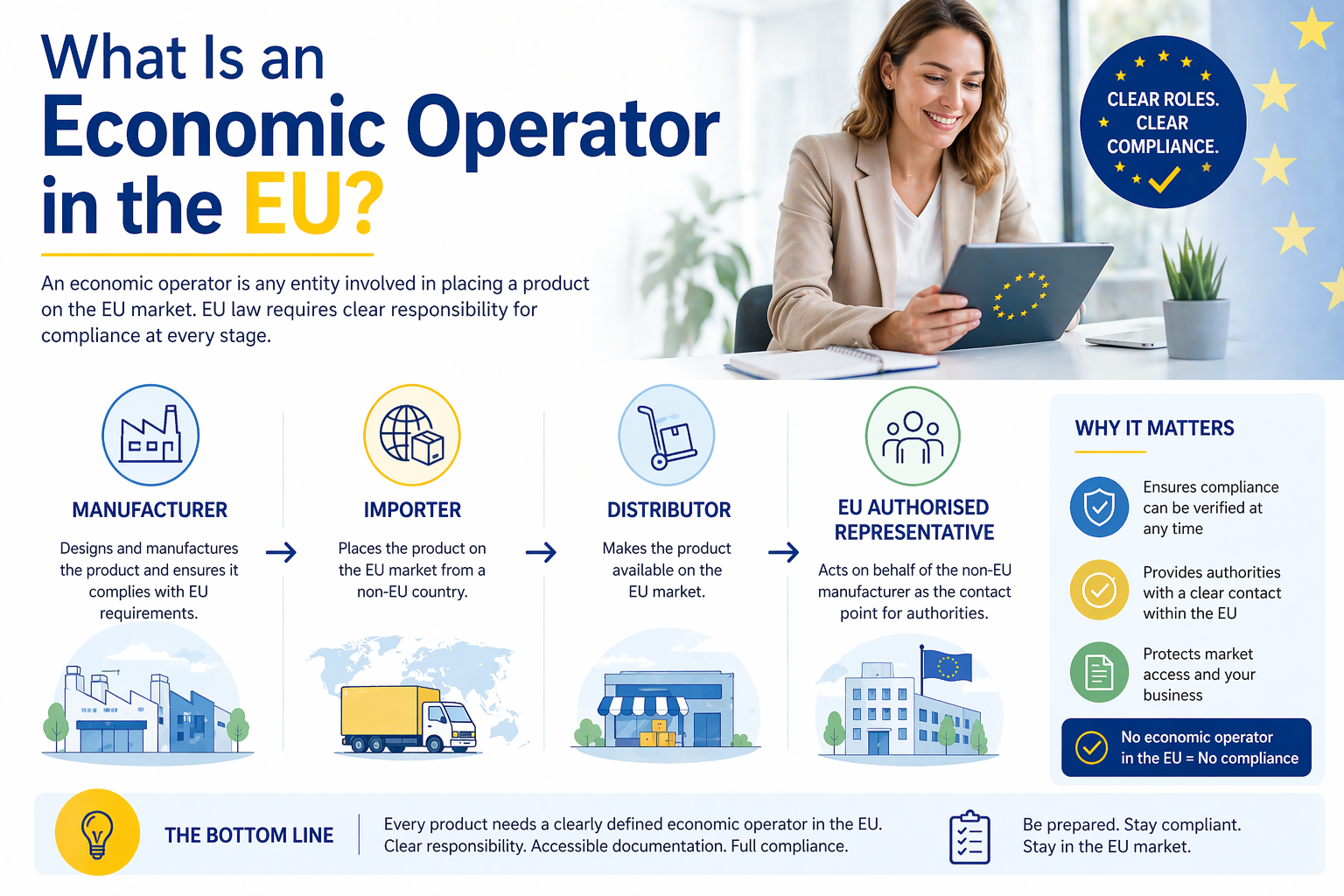
An economic operator is any entity involved in placing a product on the EU market. EU law defines this term clearly to ensure that responsibility is always assigned and traceable. It is a central concept in Regulation (EU) 2019/1020.
An economic operator can be:
- Manufacturer
- Importer
- Distributor
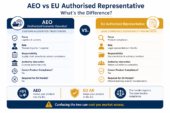
- EU Authorised Representative
👉 These are legally defined roles — not interchangeable labels.
The Core Requirement
EU law requires that every product placed on the market has a clearly defined economic operator responsible for compliance. This ensures that authorities can access documentation and enforce regulations at any time.
No economic operator in the EU = no compliant product
This applies especially to non-EU manufacturers.
The Different Roles Explained
Each type of economic operator has a specific function within the supply chain. These roles are designed to ensure that compliance is maintained from production to market placement.
- Manufacturer → ensures product compliance
- Importer → places product on EU market
- Distributor → makes product available
- EU Authorised Representative → compliance interface
Each role has defined responsibilities.
Why Roles Cannot Be Mixed Freely
Many companies assume that roles can be combined or shifted informally. In reality, each role has specific legal obligations. Mixing roles without clear definition creates gaps that lead to compliance failures.
Typical problem:
- Importer assumed to be responsible
- Manufacturer not accessible
- No formal EU representative
Result: unclear responsibility.
The Importance of EU Presence
For non-EU manufacturers, the concept of the economic operator becomes critical. EU law requires that at least one responsible entity is established within the EU. This ensures that authorities have a reachable contact point.
Possible EU-based operators:
- Importer
- EU Authorised Representative
Without this, compliance is incomplete.
What Authorities Expect
Authorities do not interpret roles loosely. They expect clear, documented responsibility and the ability to verify compliance immediately. If the economic operator cannot fulfill these expectations, the product is considered non-compliant.
Authorities check:
- Who is responsible
- Where documentation is held
- Whether response is immediate
Clarity is essential.
Common Misunderstandings
Many companies misunderstand the concept of the economic operator and assume compliance is covered by default. This leads to structural issues that only become visible under regulatory pressure.
Typical misconceptions:
“Our importer handles everything.”
“We already have certification.”
“Responsibility is shared.”
EU law requires clear assignment — not assumptions.
The Risk of Getting It Wrong
If no economic operator is clearly defined, or if responsibilities are unclear, the product is considered non-compliant. This can lead to enforcement actions affecting market access.
Possible consequences:
- Product removal
- Sales bans
- Customs blocks
- Marketplace takedowns
Risk is immediate and operational.
How to Structure It Correctly
A compliant setup requires a clear definition of roles. Each economic operator must understand and fulfill their responsibilities. The structure must be documented and operational in practice.
A proper setup includes:
- Defined roles per product
- Clear EU-based responsibility
- Accessible documentation
- EU Authorised Representative (if required)
Responsibility must be visible and enforceable.
The Core Insight
The economic operator is not just a role — it is the foundation of EU compliance. Without a clearly defined operator, the entire compliance structure fails.
- Compliance is not about documents
- It is about responsibility
Final Thought
Understanding the concept of the economic operator is essential for anyone selling products in the EU. Companies that define roles clearly avoid enforcement issues and maintain stable market access.
- No clear operator = no compliance
- No compliance = no market
If you are unsure whether your setup is compliant:
👉 We offer a structured compliance screening for non-EU manufacturers.
- review of your current setup
- identification of gaps
- clear recommendations
Contact us to assess your EU compliance status before authorities do.
_______
Tätigkeiten, die der Gesetzgeber Rechtsanwälten, Steuerberatern,
Wirtschaftsprüfern und anderen besonderen Berufsgruppen vorbehalten hat,
gehören gemäß unseren Mandatsvereinbarungen ausdrücklich nicht zu unserem
Mandatsumfang. Werden solche Tätigkeiten erforderlich, so vermitteln wir
unserem Mandanten uns bekannte, seriöse Beratungskollegen aus den
zugelassenen Berufsgruppen.
Unsere Tätigkeit erstreckt sich ausschließlich auf die Ermittlung von
wirtschaftlichen Sachverhalten im Rahmen unseres unternehmens- und
wirtschaftsberatenden Mandates sowie die Vor- und Aufbereitung der aus der
Ermittlung dieser wirtschaftlichen Sachverhalte resultierenden
Entscheidungen und Unterlagen.
Unsere Ratgeber weisen Ihnen den Weg bei beruflichen Problemen. Daher haben
praxisrelevante Fälle für Sie herausgesucht und exemplarisch beantwortet –
ohne Anspruch auf inhaltliche Vollständigkeit. Bitte bedenken Sie, dass
nicht alle denkbaren Besonderheiten des Einzelfalls berücksichtigt sein
können. Die Lektüre des Ratgebers ersetzt keine individuelle Beratung.

_______
Als Werbe-Partner verdienen wir an qualifizierten Käufen von Affiliate-Programmen ( siehe unsere Datenschutzbestimmungen ). Für Sie verändert sich der Preis nicht.
- Auxmoney – 50.000 € Kredite für Selbständige
- SCHUFA-neutraler Kreditvergleich für Selbständige
- AGB-Sicherheitspakete für Online-Händler
- Gasanbieter wechseln – bis zu 750 € sparen
- Stromanbieter wechseln – bis zu 440 € sparen
- Private Krankenversicherung – offizieller Tarifrechner
- Kfz-Versicherung – bis zu 850 € sparen
- Haftpflichtversicherung – bis zu 70 % sparen
- Hausratversicherung – TÜV „sehr gut“
- Rechtsschutzversicherung online berechnen
- DSL-Verfügbarkeitscheck
- Pauschalreisen günstig buchen
- Mietwagen-Preisvergleich